
Playing video games can help improve spatial awareness, which is an important
cognitive capacity that involves understanding and navigating physical space. This
blog article will discuss the advantages of virtual navigation in video games for
cognitive functions such as spatial cognition and problem solving.
We’ll talk about how video games provide players the chance to manoeuvre through
challenging virtual landscapes, such as elaborate mazes and expansive open worlds.
Virtual exploration and navigation can help develop spatial awareness and cognitive
mapping skills; games such as “The Legend of Zelda: Breath of the Wild” and
“Minecraft” will serve as examples.
Enhancing Spatial Cognition: When playing virtual navigation games, players must
mentally map out their environment, foresee potential barriers, and arrange the most
direct paths to their goals. We’ll investigate how these cognitive processes
translate to real-world benefits, such as improved spatial reasoning, mental
rotation, and problem-solving abilities.
Training for Real-World Applications: The spatial awareness skills developed through
gaming have practical applications beyond the virtual realm, including careers in
architecture, engineering, urban planning, and logistics. We’ll discuss how gaming
can serve as a form of cognitive training that prepares players for real-world
spatial challenges and professional opportunities.
Accessibility and Inclusivity: Finally, we’ll address the importance of designing
games with accessibility in mind, ensuring that players of all ages and abilities
can benefit from spatial navigation experiences. We’ll explore inclusive design
features and options for customizing navigation controls to accommodate diverse
player needs and preferences.
Gaming and Spatial Awareness: The Cognitive Benefits of Virtual Navigation

Games
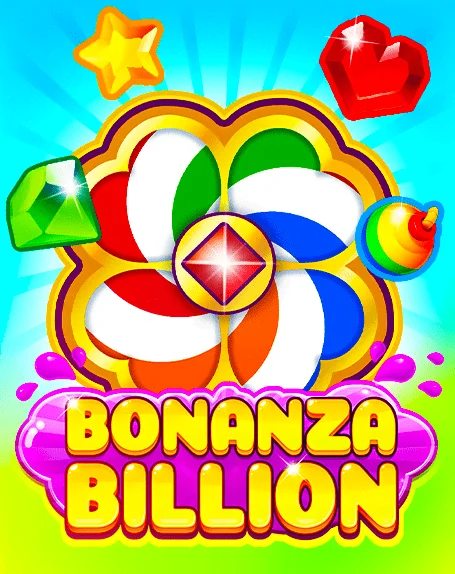
Christmas is coming and it’s high time to get ready for the most magical holiday in a year! What is the best way to convey the atmosphere of Christmas? That’s right, by bringing the holiday's mood into the good old classics. Gather around a lovely Bonanza game, this time Xmas edition and feel the vibe of the upcoming holiday!
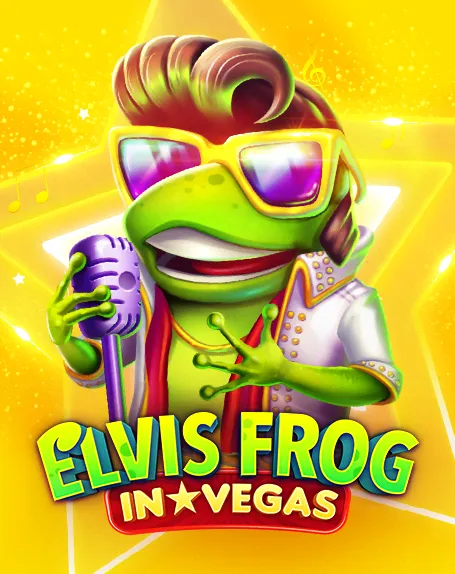
Elvis Frog in Vegas is a slot that associates with plenty of marvelous music and rock and roll. Thegame has five reels, three rows and 25 paylines with free spins, respins and a special bonus roundwhere a player can hit a Major and Mega Jackpots with a Tutti-Frutti Feature. In addition to theamazing assets of the game, the cartoonish style and positive general thrust, the enhanced soundpresentation will make the game especially delightful, because enjoying Elvis's motives is apleasure no one would resist. Welcome to the slot full of fun and perfect gaming experiencecombined with legendary musical hits.
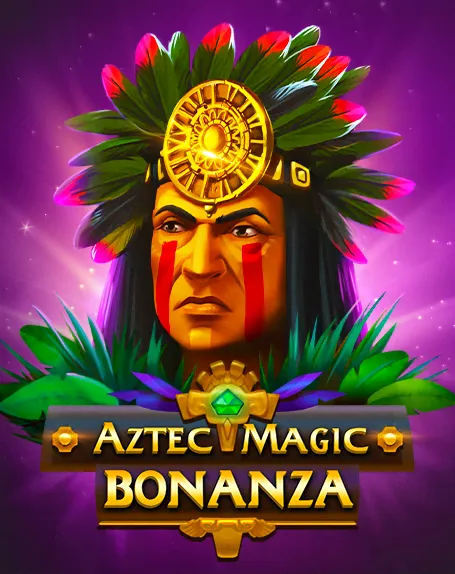
Behold everyone’s favorite slot now seasoned with some Aztec style and magic vibes. BGaming introduces a magnificent transformation of best games and their mechanics into a single game - Aztec Magic Bonanza! This extraordinary slot will surprise you with new gaming experience and catch you for many hours. Test your luck and win great prizes. Aztec Magic Bonanza is a 6х5 slot with a group payout system. All great features, Scatter symbols, free spins and other cool stuff together with addictive gameplay awaits you inside this wonderful slot. Take a step to new adventures and find the ancient treasures!

A fun and nostalgic theme, these cheeky monkeys will entertain you with some of the most powerful bonus boosts on the market. MonkeyPop™’s playful theme makes it a slot that’s all about the fun, but with big win potential in the base game, as well as the ability to trigger incredible bonus features, the rewards can get very serious very quickly
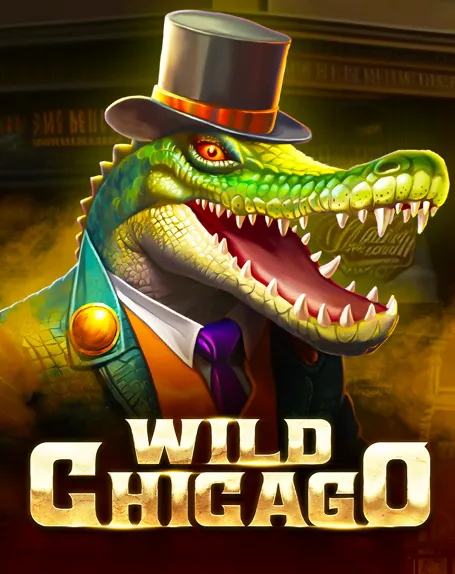
A violent criminal underworld, black cars, a dangerous group armed with Thompson guns, and, of course, crazy sums of money – all of these elements are present in Wild Chicago, just a few clicks away from you!
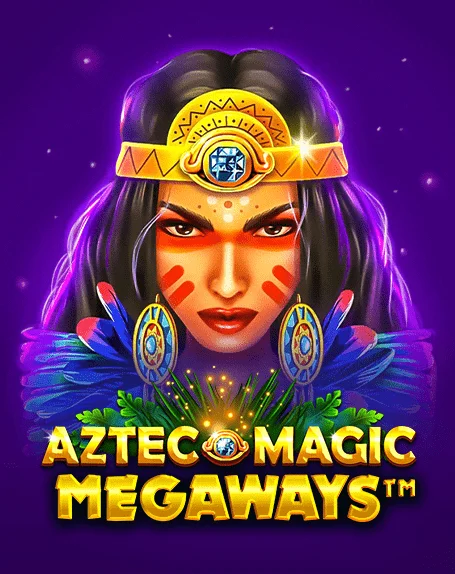
The Aztec theme and your favorite characters are back, and this time the slot has been enhanced to become even more incredible due to the popular MEGAWAYS™ mechanics. Moreover, the Buy Bonus and Chance x2 features will bring tons of joy to any lively and sophisticated player! Plunge into the adventurous atmosphere of winnings and try your luck with the Aztec Magic MEGAWAYS™!
What People say?

Now that I’ve found this free online social casino game called Craps, I can’t stop laughing and getting excited every night. I have the impression that I’m in a genuine casino thanks to the realistic gaming, and the social component adds even more enjoyment.
Bruno

’ve loved Craps for a long time, but it was never easy to find a trustworthy and cost-free online version until I came across this treasure. It feels like a real community because to the social elements, fluid gameplay, and excellent graphics.